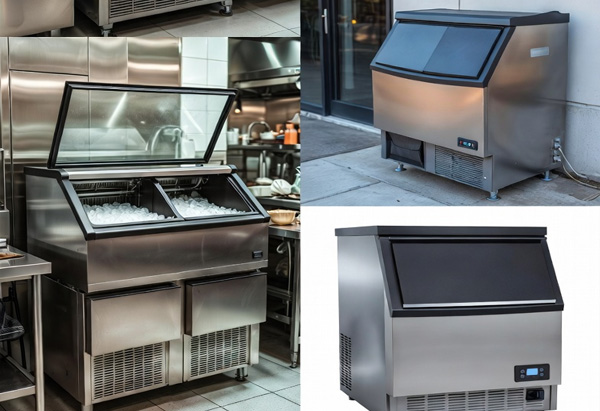
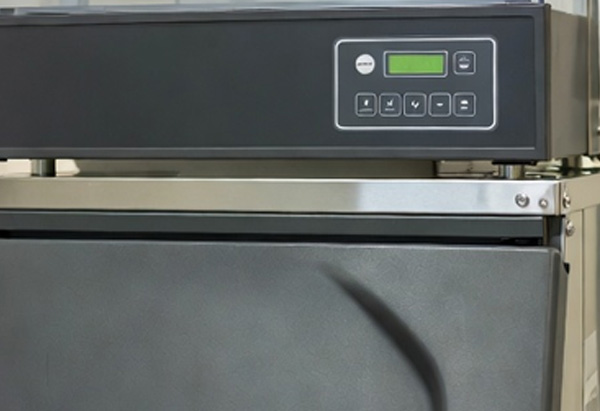
Commercial ice machine priorities across Nebraska
Choosing commercial ice machine suppliers in Nebraska is easier when the facility separates required output from optional equipment features. A company in Nebraska benefits from defining acceptable downtime and a practical backup-ice plan. Within a Nebraska facility, organizations often benefit from separating primary production, storage and emergency backup capacity. For decision-makers serving Nebraska, a unit that suits beverage service may not provide the flake ice required for food display or clinical use. Common users include laboratories, seafood operations, and hotels, although every organization should confirm its own ice type, production volume and operating schedule. For Nebraska decision-makers, specific expectations also make later service conversations more objective. See commercial ice machine prices for additional guidance.
Companies evaluating commercial ice machines in Nebraska need a clear picture of where ice is produced, stored, handled and consumed. In Nebraska, that review should reflect the local mix of foodservice, healthcare and industrial operations. When a Nebraska organization compares options, filtration should address local water conditions without restricting the flow required by the machine. Within a Nebraska facility, staff training should cover operation, sanitation, filter changes and the correct way to report a problem. During a Nebraska ice system review, bin capacity should cover the difference between steady production and short periods of concentrated demand. Common users include laboratories, seafood operations, and hotels, although every organization should confirm its own ice type, production volume and operating schedule. For Nebraska decision-makers, that preparation produces quotes that can be compared line by line.
How should Nebraska facilities plan commercial ice machine installation?
Companies evaluating commercial ice machine installation in Nebraska need a clear picture of where ice is produced, stored, handled and consumed. Businesses around Nebraska should test proposed output against the busiest realistic operating day. Within a Nebraska facility, filter replacement, preventive maintenance and service-request procedures should be confirmed before launch. For decision-makers serving Nebraska, old equipment removal and any leased-equipment return should be scheduled before delivery day. During a Nebraska ice system review, installation should include filtration, start-up, leak checks, production testing and named acceptance criteria. Common users include laboratories, seafood operations, and hotels, although every organization should confirm its own ice type, production volume and operating schedule. For Nebraska decision-makers, a written scope gives the buyer and dealer the same definition of a successful installation.
How should buyers compare ice machine prices in Nebraska?
A useful review of ice machine prices in Nebraska begins with measured daily ice demand rather than a machine headline alone. For Nebraska commercial ice machine suppliers, an accurate request explains existing utilities as well as future demand. When a Nebraska organization compares options, equipment prices are meaningful only when freight, setup, utilities and required accessories are clear. Within a Nebraska facility, decision-makers should separate must-have output and ice type from optional upgrades before reviewing final pricing. Common users include laboratories, seafood operations, and hotels, although every organization should confirm its own ice type, production volume and operating schedule. For Nebraska decision-makers, a written scope gives the buyer and dealer the same definition of a successful installation. See commercial versus industrial ice machines for additional guidance.
Ice sanitation and water-quality planning in Nebraska
Companies evaluating sanitary commercial ice systems in Nebraska need a clear picture of where ice is produced, stored, handled and consumed. For a business based in Nebraska, a clear maintenance scope is as important as the selected ice machine model. During a Nebraska ice system review, healthcare and food-production environments may require stricter handling and documentation practices. During a Nebraska ice system review, ice is food, so cleaning frequency, approved chemicals and safe handling need written procedures. Common users include laboratories, seafood operations, and hotels, although every organization should confirm its own ice type, production volume and operating schedule. For Nebraska decision-makers, the final choice should deliver dependable ice production without unnecessary complexity. See commercial ice machine types for additional guidance.
Commercial ice machine maintenance in Nebraska
A careful comparison of ice machine maintenance plans in Nebraska considers equipment, installation, filtration, utilities and maintenance together. A company in Nebraska benefits from defining acceptable downtime and a practical backup-ice plan. Within a Nebraska facility, production shortfalls can reveal dirty condensers, scale, restricted airflow or equipment that is undersized. Within a Nebraska facility, contract anniversaries provide a useful point to review maintenance performance and future demand. Within a Nebraska facility, documented escalation paths help managers respond consistently when ordinary service does not restore output. Common users include laboratories, seafood operations, and hotels, although every organization should confirm its own ice type, production volume and operating schedule. For Nebraska decision-makers, the final choice should deliver dependable ice production without unnecessary complexity. See ENERGY STAR commercial ice machine guidance for additional guidance.
How should businesses compare commercial ice machine suppliers in Nebraska?
Businesses researching commercial ice machine systems in Nebraska should compare lifetime operating cost as carefully as equipment price. For Nebraska commercial ice machine suppliers, an accurate request explains existing utilities as well as future demand. For decision-makers serving Nebraska, a low monthly payment can conceal a longer term, service exclusions or end-of-term obligations. When a Nebraska organization compares options, used and refurbished ice machines should be evaluated by age, condition, sanitation history and warranty. For decision-makers serving Nebraska, equipment prices are meaningful only when freight, setup, utilities and required accessories are clear. Common users include laboratories, seafood operations, and hotels, although every organization should confirm its own ice type, production volume and operating schedule. For Nebraska decision-makers, the final choice should deliver dependable ice production without unnecessary complexity.
What affects commercial ice machine prices in Nebraska?
Companies evaluating commercial ice machine systems in Nebraska need a clear picture of where ice is produced, stored, handled and consumed. For a business based in Nebraska, a clear maintenance scope is as important as the selected ice machine model. During a Nebraska ice system review, used and refurbished ice machines should be evaluated by age, condition, sanitation history and warranty. During a Nebraska ice system review, lease and purchase quotes should identify the machine, bin, dispenser, filtration, installation and service coverage. Common users include laboratories, seafood operations, and hotels, although every organization should confirm its own ice type, production volume and operating schedule. For Nebraska decision-makers, the final choice should deliver dependable ice production without unnecessary complexity.
Should a Nebraska business lease or buy an ice machine?
A careful comparison of commercial ice machine systems in Nebraska considers equipment, installation, filtration, utilities and maintenance together. A Nebraska organization should distinguish predictable monthly use from seasonal projects and unusual production runs. For decision-makers serving Nebraska, equipment prices are meaningful only when freight, setup, utilities and required accessories are clear. In the Nebraska operating environment, lease and purchase quotes should identify the machine, bin, dispenser, filtration, installation and service coverage. Common users include laboratories, seafood operations, and hotels, although every organization should confirm its own ice type, production volume and operating schedule. For Nebraska decision-makers, the result should be equipment staff can operate, clean and monitor confidently.
Which commercial ice machine types fit Nebraska facilities?
Companies evaluating commercial ice machine systems in Nebraska need a clear picture of where ice is produced, stored, handled and consumed. Businesses around Nebraska should test proposed output against the busiest realistic operating day. Within a Nebraska facility, an equipment demonstration should confirm ice form, dispensing, bin access and ordinary cleaning tasks. For decision-makers serving Nebraska, staff training should cover operation, sanitation, filter changes and the correct way to report a problem. During a Nebraska ice system review, cube, nugget, crescent and flake ice behave differently in drinks, displays, transport and patient care. Common users include laboratories, seafood operations, and hotels, although every organization should confirm its own ice type, production volume and operating schedule. For Nebraska decision-makers, a written scope gives the buyer and dealer the same definition of a successful installation.
How should Nebraska organizations plan ice sanitation?
Organizations comparing commercial ice machine systems in Nebraska make better decisions when they map peak demand, storage and recovery time first. The Nebraska comparison is more useful when decision-makers include operators, maintenance staff and food-safety leadership. When a Nebraska organization compares options, air filters and condenser surfaces require access for routine cleaning and inspection. When a Nebraska organization compares options, filters and scale-control components need an assigned owner and a replacement schedule. Common users include laboratories, seafood operations, and hotels, although every organization should confirm its own ice type, production volume and operating schedule. For Nebraska decision-makers, a written scope gives the buyer and dealer the same definition of a successful installation.
What belongs in an ice machine maintenance plan in Nebraska?
Choosing commercial ice machine systems in Nebraska is easier when the facility separates required output from optional equipment features. A company in Nebraska benefits from defining acceptable downtime and a practical backup-ice plan. Within a Nebraska facility, a replacement decision should consider reliability, efficiency, available parts and changing production needs. For decision-makers serving Nebraska, organizations need a clear process for filter changes, cleaning, inspection and approving service work. Common users include laboratories, seafood operations, and hotels, although every organization should confirm its own ice type, production volume and operating schedule. For Nebraska decision-makers, specific expectations also make later service conversations more objective.